
The journey, distilled
Your trip at a glance
Three days is enough for a beautiful first conversation with Chiang Mai. Four or five is better if you want pool time, a countryside day or room for happy detours.
A city with its own rhythm
Why the north feels different
Chiang Mai does not demand that you rush. Its old moat holds a quiet web of teak halls and weather-softened chedis; beyond it, Doi Suthep rises like a green compass point.
Once the capital of the Lanna Kingdom, the city carries a distinct northern identity in its architecture, language, textiles and cooking. The real pleasure is in the transitions: incense at first light, a bowl of coconut-rich khao soi at noon, indigo-dyed cloth under your fingers, then the mountain turning blue as the sun slips away.
For a first visit, this itinerary keeps the celebrated sights but leaves breathing room. That matters here. Chiang Mai is most persuasive in the pause between stops.
First visitCouplesFamilies 6+Food loversPhotographersPrivate travel
The route
Three days, one beautifully paced story
Market days, seasonal haze and temple ceremonies can change the best order. A private route should move with the city, not force the city to fit a checklist.
Old walls · living craft · market light
Meet the Lanna heart
Begin on foot, when courtyards are cool and the first temple bells still seem to hang in the air.
Best camera: 35mm
Walking: 4–6 km
Walking: 4–6 km

Temples before the heat
Breakfast in a garden cafe, then trace a calm route from Wat Chiang Man to the dark teak of Wat Phan Tao, monumental Wat Chedi Luang and elegant Wat Phra Singh. Choose three or four, not all six. Shoulders and knees covered.
Make something by hand
After khao soi and a hotel pause, join a small artisan session in soap carving, lacquerware, pottery or natural dye. This turns the souvenir into a story and directs more of your spend to a local maker.
Follow the market smoke
If it is Sunday, walk Ratchadamnoen Road as it fills with crafts and food. On other nights, combine Chang Phuak Gate's stalls with the Night Bazaar. Try sai ua, grilled skewers and coconut sweets in small rounds.
Want this day timed around the Sunday Walking Street?
Shape the route with usRescue · countryside · celebration
A gentler encounter
Leave the city for a responsible elephant experience, then return for restoration and a joyful Chiang Mai night.
Start: 07:00
Transfer: 1–2 hr
Transfer: 1–2 hr

Choose welfare over spectacle
Visit a transparent rescue organization such as Elephant Nature Park or a carefully vetted community project. Prioritize observation, space and natural behavior. Skip riding, tricks, chains, forced bathing and close-contact photo lines.
Reset in the Old City
Most full-day programs include lunch and return mid-afternoon. Book a traditional Thai massage at a reputable social enterprise, or choose a quiet pool hour and iced tea if the day has already been full.
Cabaret or candlelight
For energy, choose the Chiang Mai Cabaret, a warm and exuberant performance. For a quieter night, reserve a refined northern Thai dinner in a timber house and walk home along the lit moat.
We independently review animal-welfare practices before recommending a program.
Ask about ethical optionsMarket · kitchen · mountain
Cook, climb, look back
Learn the flavors of the north, then finish above the city as late light settles over the Ping Valley.
Steps: 306
Golden hour: 17:00
Golden hour: 17:00

Shop, pound, taste
Join a small cooking class with a market visit. Make curry paste from scratch and choose dishes such as pad Thai, tom yum or mango sticky rice. Good schools can adapt for vegetarian diets and allergies when told in advance.
Wat Umong to Doi Suthep
Rest after the feast, then head west. Pause among Wat Umong's forest tunnels before climbing to Wat Phra That Doi Suthep. Take the naga staircase if comfortable, or use the funicular.
One last northern table
As the sun softens, look back across the city you now recognize. Return for a guided food walk or a celebratory dinner. Order lightly: the cooking class is generous and the best final night is not a race.
Prefer sunrise, sunset or a family-friendly funicular plan?
Personalize day threeScenes between the stops
What stays with you
The city is wonderfully photogenic, but the strongest pictures keep a sense of place: hands, texture, weather and the life around the landmark.


Sleep well
Choose your neighborhood by mood
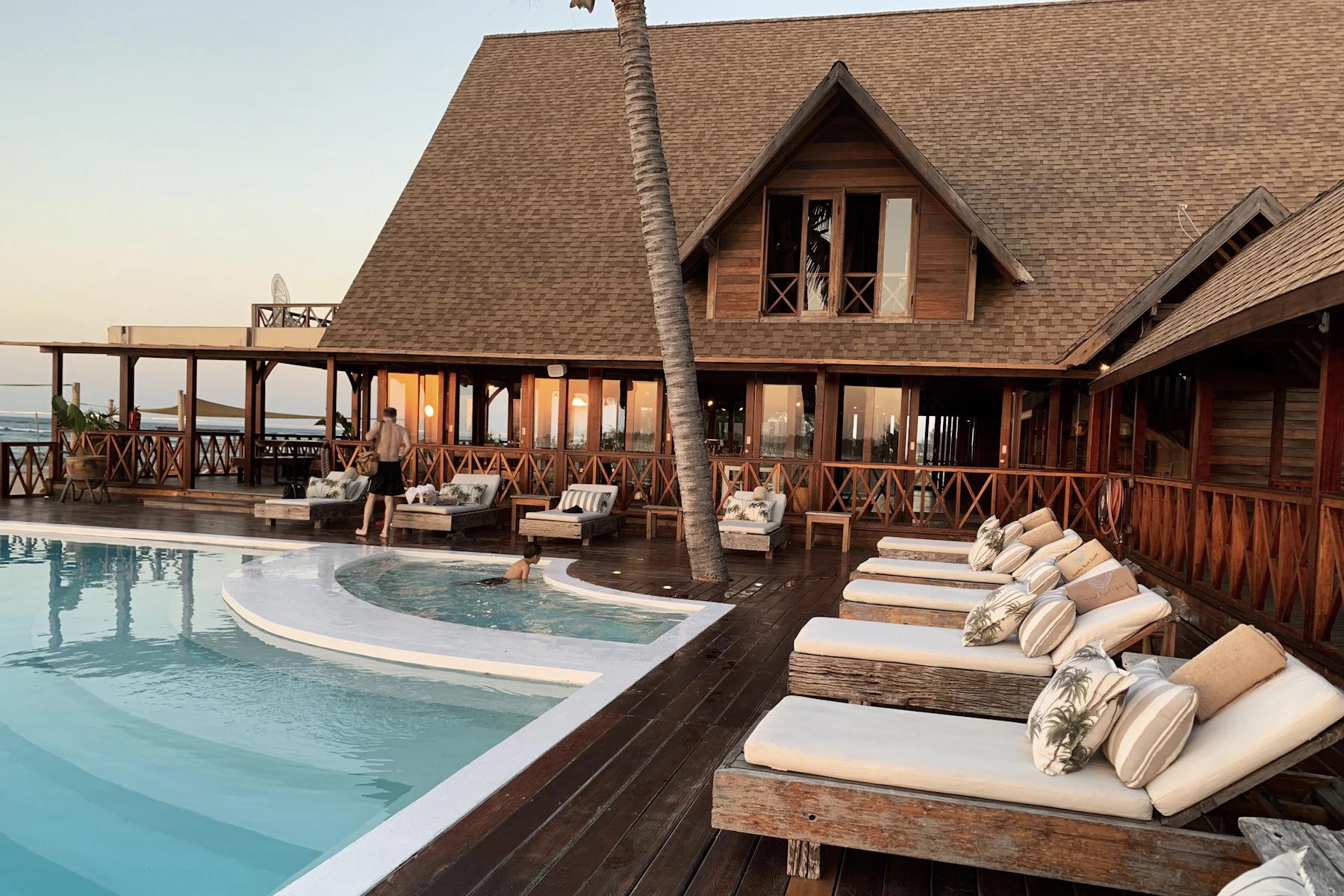
The Old City is easiest for a first visit, but it is not the only good answer. Stay near the version of Chiang Mai you want to wake up to.
Old City
Walk to major temples, cafes and Sunday market. Choose a lane away from nightlife for quieter sleep.
Riverside
More space, resort pools and easier vehicle access. A comfortable retreat after warm sightseeing days.
Mae Rim
Garden resorts and mountain views north of town. Best with a driver and extra nights.
Nimman
Contemporary cafes, galleries and nightlife. Livelier, with aircraft noise in some blocks.
Wat Ket
A calmer east-river pocket with heritage houses, local restaurants and an easy old-town crossing.

Order with confidence
Six tastes to remember
Khao soi
Coconut curry noodles with crisp noodles, lime and pickled greens. Try a classic stall and a chef-led version.
Sai ua
Coiled northern sausage scented with lemongrass, makrut lime and chile. Markets serve it by weight.
Nam prik noom
Smoky green chile dip with steamed vegetables and pork crackling. Ask for a vegetarian accompaniment if needed.
Gaeng hang lay
Slow-cooked pork curry with ginger, tamarind and warm spices, reflecting northern trade routes.
Kanom jeen nam ngiao
Rice noodles in a tomato-rich northern broth, brightened with herbs, cabbage and lime.
Market sweets
Look for coconut pancakes, sticky rice, tropical fruit and small-batch coffee from northern highlands.
The useful details
Travel gently, arrive prepared
Prices, hours and seasonal conditions move. Treat figures as planning ranges and confirm key bookings before departure.
Estimated per person, per day
฿2,200–฿4,000Comfort: boutique stay, local meals and shared activities
฿5,500–฿9,000+Private: upscale stay, guide, driver and tailored experiences
Cool season wins
November to February is generally most comfortable. March and April can bring heat and regional smoke. Rainy-season showers often arrive in short, dramatic bursts.
Walk, songthaew, Grab
Walk the Old City early, use red songthaews for short hops and arrange a licensed driver for mountain and countryside days. Do not learn to ride a scooter in city traffic.
Light layers, temple-ready
Breathable clothes, covered shoulders and knees for temples, easy-off shoes, sun protection and a light mountain layer. Carry a reusable bottle.
The ethical, small and special
Reserve reputable elephant programs, small cooking classes, festival dates and high-demand boutique hotels first. Markets and temple wandering can stay spontaneous.
Use the edges of the day
Visit Old City temples at opening and Doi Suthep later in the afternoon. During smoky periods, check live air quality before outdoor exertion.
Quiet confidence
Use metered or app-priced transport, agree songthaew fares, protect against mosquitoes and carry travel insurance. Never touch someone's head or point feet at a Buddha image.
Three common mistakes to leave at home
Six temples in a row become one blurred roofline. Choose fewer and learn why each matters.
The label is unregulated. Evaluate behavior, transparency and welfare practices, not marketing language.
Heat, rain and smoke change the experience. Build rest and indoor alternatives into the plan.
Why travel with us
Less logistics.
More Chiang Mai.
We turn a good public itinerary into your private journey, adjusting the tempo for children, photographers, food obsessions, mobility needs and the weather that actually arrives.
Private route design
One coherent plan, built around your hotel, market days and priorities.
Local guide support
Context at temples, translation with makers and help when plans shift.
Flexible timing
Early starts, long lunches and breaks when your group needs them.
Family-aware pacing
Shorter walks, pool pauses, food flexibility and engaging guides.
Bookings handled
Hotels, responsible experiences, drivers and tables confirmed together.
Photo-friendly flow
Good light, fewer crowds and enough time to notice the frame.
Responsible wildlife policyLicensed local partnersHuman support during travelNo forced shopping stops
Before you go
A few good questions
Is three days really enough for Chiang Mai?
It is enough for the Old City, one countryside experience, a cooking class and Doi Suthep at a comfortable pace. Add two nights for Doi Inthanon, deeper craft visits or genuine downtime.
Can this itinerary work with children?
Yes, especially for ages six and up. We would reduce the temple count, choose a hands-on craft, confirm the elephant program's age policy, add pool time and use the Doi Suthep funicular.
Is the elephant day essential?
No. Ethical scrutiny matters more than ticking a box. A farm-to-table village day, Doi Inthanon, hiking or an extended craft program can make an excellent alternative.
Should I stay in the Old City or Nimman?
Choose the Old City for walkable heritage and a first visit. Choose Nimman for contemporary dining, cafes and nightlife. Light sleepers should check recent notes about aircraft noise.
What if air quality is poor?
Monitor live air-quality readings, limit strenuous outdoor activity and use a well-fitted mask when needed. A responsible planner should rearrange the mountain day or recommend different travel dates if conditions are persistently poor.
Your journey starts here
Let us design your private Chiang Mai.
Tell us how you like to travel. A specialist will shape the stays, guides, pace and small details into one calm, personal plan.
Typical response · within one business day